
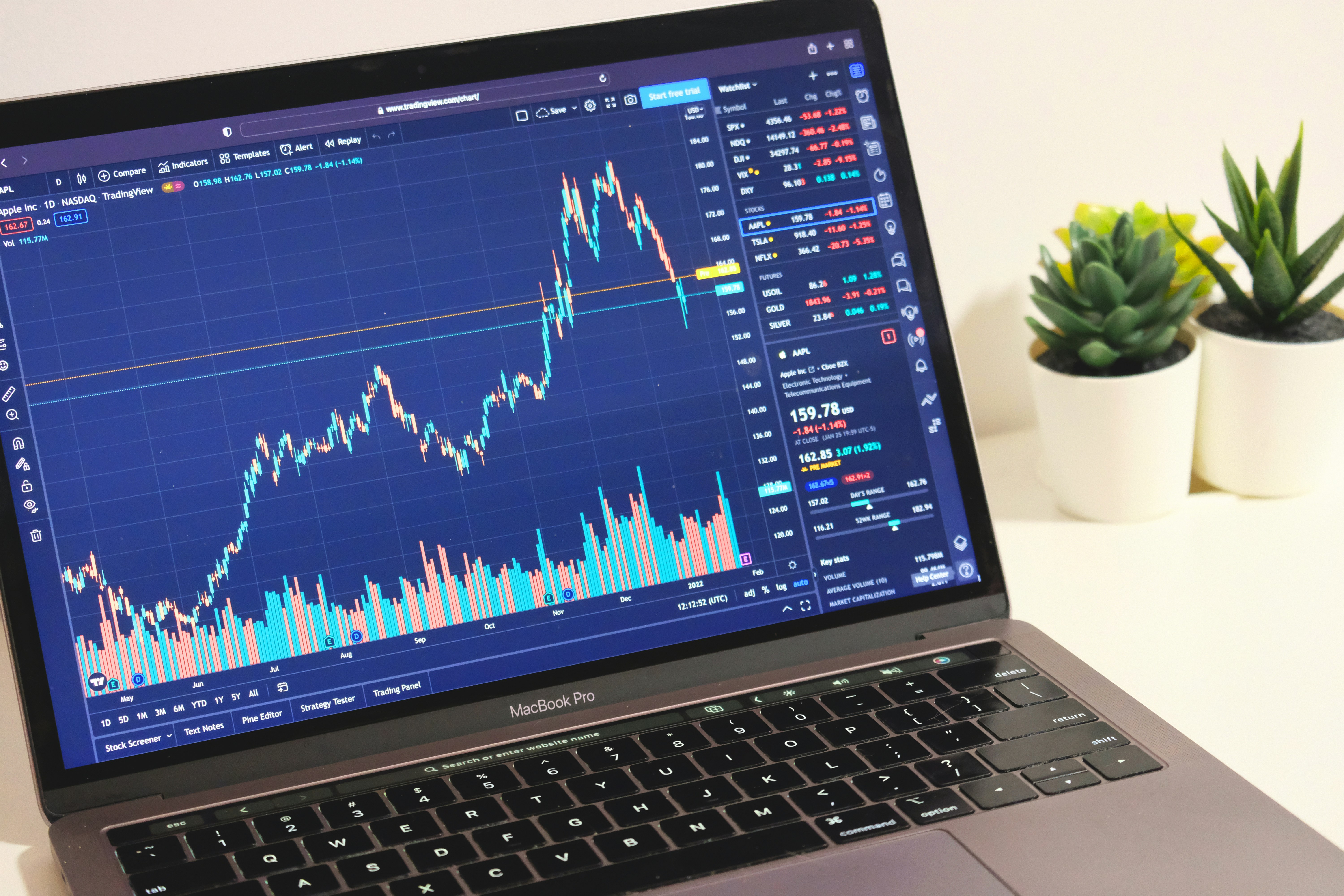
Understanding Liquidity in Financial Markets
Liquidity is a fundamental concept in financial markets, referring to the ease with which assets can be bought or sold without significantly affecting their prices. High liquidity means that an asset can be quickly sold or converted into cash with minimal price fluctuation, while low liquidity indicates that it may take longer to find a buyer or seller at a desirable price. Understanding liquidity is crucial for traders and investors as it not only affects the execution of trades but also the overall risk and efficiency within the capital markets.
There are primarily two types of liquidity to consider: market liquidity and funding liquidity. Market liquidity pertains to the ability to quickly buy or sell assets in the market. A market characterized by high trading volume and numerous participants typically exhibits high market liquidity, which ensures that prices remain stable even with significant trades. Conversely, funding liquidity refers to the ease with which market participants can access funds or capital to execute trades. Insufficient funding liquidity can lead to situations where even liquid markets exhibit stress, impacting pricing and trading efficiency.
Several factors influence liquidity in financial markets, including the level of trading activity, market conditions, and the types of financial instruments involved. Economic indicators, monetary policies, and geopolitical events can also significantly impact liquidity levels, frequently leading to market fluctuations. For traders, understanding these dynamics is essential, as liquidity has a direct bearing on spread costs, slippage, and the overall execution of trading strategies.
Moreover, liquidity plays a critical role in risk management. A well-functioning market with ample liquidity allows traders to manage their positions effectively and mitigate potential losses without incurring excessive costs. It is, therefore, essential to consider liquidity when forming strategies and executing trades, as it directly correlates with the levels of risk and return achievable in financial markets.
Measuring Liquidity: Key Indicators and Metrics
Understanding the liquidity of financial markets is essential for traders to navigate their investment strategies effectively. Key indicators and metrics serve as vital tools in evaluating market liquidity. Among these, bid-ask spreads are one of the most commonly referenced aspects. The bid-ask spread represents the difference between the highest price a buyer is willing to pay (bid) and the lowest price a seller will accept (ask). A narrower bid-ask spread typically indicates a more liquid market, while a wider spread can signal liquidity challenges, often leading to higher trading costs for market participants.
Another important metric is trading volume, which measures the total quantity of a security traded during a specified time frame. High trading volume often correlates with increased liquidity as more transactions are occurring, enabling traders to enter and exit positions with relative ease. Conversely, low trading volume may imply a lack of market activity and potential difficulties in executing trades without impacting the market price.
Order book depth is yet another crucial indicator used to measure liquidity. It provides insight into current buy and sell orders within the market. Depth can indicate the volume of orders at various price levels, allowing traders to assess how significant price changes may be given their trading strategies. For instance, if an order book shows a substantial number of buy orders at a specific price point, it may suggest strong support at that level, indicating higher liquidity.
By analyzing these metrics – bid-ask spreads, trading volume, and order book depth – traders can assess market conditions and make informed decisions. Recognizing how these indicators interact allows market participants to adjust their strategies according to the current liquidity landscape, ultimately enhancing their trading outcomes.
Trading Strategies to Leverage Liquidity
In financial markets, liquidity is an essential factor that influences trading strategies and overall performance. Traders can employ various strategies to leverage liquidity conditions effectively. Three prominent approaches include scalping, day trading, and swing trading, each suitable for specific liquidity states and timeframes.
Scalping is a short-term trading strategy that focuses on making numerous small gains by capitalizing on tiny price movements. It is particularly effective during periods of high liquidity, where traders can enter and exit positions quickly without significantly impacting the market price. Traders using this strategy must develop a keen sense of timing and monitor market conditions continuously to optimize their trades.
On the other hand, day trading involves buying and selling financial instruments within the same trading session. This strategy is useful when liquidity is fluctuating, as traders can take advantage of intraday price movements. Successful day trading requires knowledge of market patterns, technical analysis, and real-time data to identify entry and exit points effectively. Risk management is crucial, and traders will often set stop-loss orders to protect their capital from unexpected market swings.
Swing trading serves as a bridge between day trading and long-term investing by focusing on holding positions for several days to weeks. This strategy capitalizes on liquidity conditions that create short to medium-term price movements. Swing traders analyze broader market trends and indicators to make informed decisions about timing their trades. Effective risk management, including setting profit targets and position sizing, is vital to mitigate losses during less liquid periods.
By understanding and adapting these trading strategies according to liquidity conditions, traders can enhance their performance, manage risks efficiently, and optimize their overall trading experiences.
The Impact of Economic Events on Market Liquidity
Market liquidity, the ease with which assets can be bought or sold without causing significant price changes, is profoundly influenced by various economic events. Understanding the relationship between these events and market liquidity is crucial for traders aiming to optimize their trading strategies.
One of the primary drivers of market liquidity is interest rate changes. When central banks adjust interest rates, it can lead to increased volatility in the financial markets. For example, a sudden rate hike may tighten liquidity as investors reassess the value of their holdings, leading to a decrease in trading activity. Conversely, a rate cut might enhance liquidity by encouraging borrowing and investment, thereby increasing the flow of capital within the markets.
Earnings reports also play a critical role in shaping market liquidity. Companies that release stronger-than-expected earnings results often experience heightened investor interest, translating into increased trading volume. This boost in activity can enhance liquidity as more buyers and sellers enter the market. On the other hand, disappointing earnings can lead to sharp sell-offs, reducing liquidity as market participants become hesitant to trade amid uncertainty.
Geopolitical events represent another significant factor that can impact market liquidity. Events such as elections, trade negotiations, and conflicts can create an atmosphere of uncertainty, often leading investors to withdraw from the market. For instance, during the Brexit negotiations, market liquidity experienced significant disruptions as traders sought to gauge the potential economic consequences of the political developments. Historical case studies demonstrate that these events can precipitate sudden drops in liquidity, which traders must navigate carefully.
To prepare for shifts in market liquidity resulting from economic events, traders should implement risk management strategies and stay informed about upcoming announcements and developments. Recognizing the signs of potential liquidity changes allows traders to adjust their positions and trading strategies effectively, ensuring they can maneuver through periods of volatility with confidence.
Leave a Reply